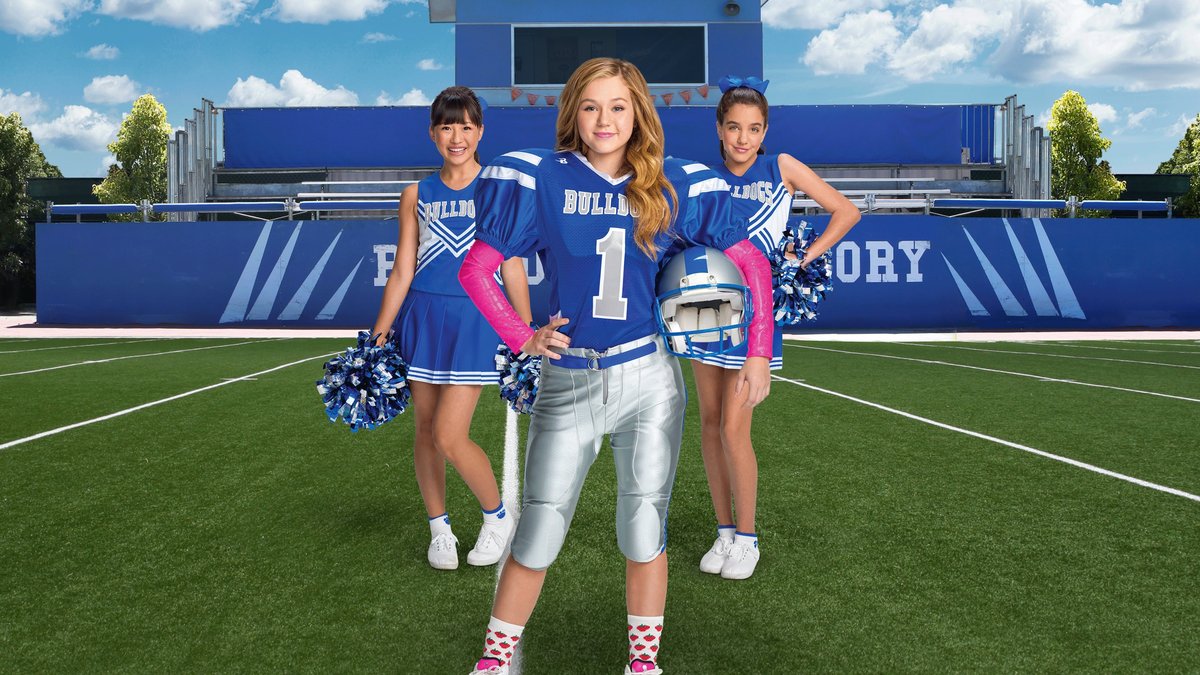
Stepping back onto the field for its second season, Bella and the Bulldogs faced the perennial challenge of any successful sophomore run: how to evolve the story and characters without alienating the core audience that fell in love with Season 1. When we dive into 'Bella and the Bulldogs Season 2 Reviews & Fan Reception', we're not just looking at scores, but at the very heart of how a beloved teen sitcom navigated growth, humor, and the ever-tricky balance of sports drama and high school antics.
Unlike blockbuster films or prestige dramas, comprehensive critical reviews for shows like Bella and the Bulldogs are often scarce, leaving a gap. Instead, the real pulse of its success, or areas for improvement, lies squarely in the hands—and online discussions—of its passionate fanbase. This is where we uncover the true narrative of Season 2: through the lens of those who watched it week after week.
At a Glance: Key Takeaways from Season 2's Reception
- Growth Spurt: Many fans appreciated the deeper dives into character backstories and personal challenges, moving beyond just football.
- Balancing Act: The season strove to balance Bella's journey as a female quarterback with the broader high school experience and team dynamics.
- Humor & Heart: Continued to deliver family-friendly humor while exploring themes of friendship, loyalty, and perseverance.
- Story Arcs: Introduced new challenges and relationship developments that kept the audience invested in the characters' futures.
- Viewer Engagement: Sparked ongoing discussions among its target demographic regarding favorite episodes, character ships, and cliffhangers.
The Sophomore Season Syndrome: What's at Stake for a Teen Sitcom?
Every TV show that earns a second season faces a unique set of pressures. The initial novelty has worn off, and viewers have established expectations. For Bella and the Bulldogs, this meant delivering more of what worked in Season 1—Bella Dawson (Brec Bassinger) as the trailblazing female quarterback—while also finding new ways to develop her, her teammates, and her friends. The "sophomore season syndrome" can see shows either solidify their premise or lose their way trying too hard to reinvent themselves.
For a Nickelodeon series, the stakes aren't just about critical acclaim, but about maintaining engagement with a highly discerning and vocal young audience. These viewers are keenly attuned to authenticity, relatable struggles, and consistent character arcs. Deviate too much, and you risk losing them. Play it too safe, and you might bore them. Season 2 needed to hit that sweet spot.
Diving Deep into Fan Sentiments: Where the Real Reviews Live
Without a plethora of formal critics weighing in, understanding the reception for Bella and the Bulldogs Season 2 requires tuning into the digital conversations, forum discussions, and social media chatter of its target demographic. This collective fan voice paints a far more nuanced picture than any singular review ever could.
Character Development: Beyond the Helmet
One of the most recurring themes in fan discussions revolved around character growth. Season 1 established Bella as a determined, football-savvy cheerleader who shattered stereotypes. Season 2, fans hoped, would push her even further. Did it deliver?
Many viewers felt Season 2 successfully deepened Bella's journey. It wasn't just about proving she could play; it was about the cost of leadership, the challenges of balancing her athletic dreams with her social life, and navigating complex friendships. The season often explored her vulnerability, showing that even a strong lead like Bella faces doubts and difficult decisions. This resonated deeply with an audience grappling with their own coming-of-age experiences.
The Bulldogs themselves—Troy, Sawyer, and Newt—also saw subtle yet significant development. Fans noted how their initial skepticism towards Bella gradually transformed into genuine respect and camaraderie. These aren't just sidekicks; they became integral parts of Bella's support system, with their own comedic quirks and moments of unexpected insight. Their individual storylines, even if minor, contributed to the show's ensemble feel.
Plot Progression: On and Off the Field
Season 2 expanded the narrative scope beyond just football games. While the gridiron remained a central stage for teamwork and triumph, the season also delved into more intricate high school dramas, relationship dynamics, and personal challenges.
- Football Storylines: Fans generally appreciated the continued focus on game strategy, team challenges, and the emotional highs and lows of competition. These plots often served as metaphors for broader life lessons about perseverance and collaboration.
- Friendship Dynamics: The show’s exploration of Bella’s friendships, particularly with Pepper and Sophie, matured. These relationships faced new tests, celebrating the strength of female bonds while acknowledging their complexities.
- Romantic Arcs: Teen sitcoms thrive on budding romance. Season 2 definitely played into this, introducing new crushes and complicated existing feelings, which became a significant point of discussion among fans. "Shipping" characters (imagining romantic pairings) is a huge part of teen fandom, and Bella and the Bulldogs provided ample fuel for these discussions.
- Navigating Challenges: From academic pressures to family matters, the season tackled various challenges, grounding the show in relatable experiences for its young audience.
The Humor Factor: Still Kicking?
Comedy is subjective, but for a sitcom, consistent laughs are non-negotiable. Season 2 aimed to maintain its blend of physical comedy, witty banter, and situational humor. Fan reactions suggest it largely succeeded. The lighthearted tone, coupled with the endearing quirks of its characters, remained a strong point. Some fans pointed out that the humor evolved slightly, becoming a bit more character-driven rather than relying solely on slapstick, which was seen as a sign of growth for the show.
Themes That Resonated
Beyond the laughs and touchdowns, Bella and the Bulldogs Season 2 continued to explore important themes:
- Gender Equality & Breaking Stereotypes: This was the show's foundational premise, and Season 2 reinforced it by showing Bella's continued fight for respect and her unwavering confidence in a male-dominated sport. This resonated strongly with young female viewers, offering a powerful role model.
- Teamwork and Leadership: The show consistently highlighted the value of collaboration, sacrifice, and the responsibility that comes with leadership, both on and off the field.
- Friendship and Loyalty: The bonds between Bella and her friends, and Bella and her team, formed the emotional core of the series, showing how crucial a strong support system is during tough times.
- Perseverance: Through wins and losses, both in sports and in life, the characters learned the importance of never giving up, a universally appealing message for its audience.
The Elephant in the Room: Lack of Formal Critical Scrutiny
It's important to acknowledge the distinct nature of reviews for a show like Bella and the Bulldogs. Unlike a HBO drama dissected by dozens of entertainment journalists, shows targeting younger audiences on platforms like Nickelodeon rarely receive extensive critical write-ups from major publications. The Rotten Tomatoes page, for instance, might show a season listing but often lacks detailed reviews from professional critics.
This isn't necessarily a commentary on the show's quality, but rather a reflection of media coverage priorities. For Bella and the Bulldogs, the true measure of its success and impact comes directly from its viewership. The engagement, the fan art, the online discussions, and the continued loyalty of its audience are the most accurate "reviews" you can find.
This also means that discerning whether Season 2 was a critical "hit" or "miss" requires a qualitative rather than quantitative approach. You're looking for recurring sentiments, key discussion points, and overall emotional responses from the people who matter most: the viewers it was made for.
Season 2: Did it Avoid the Sophomore Slump?
The "sophomore slump" is a real phenomenon where a second season fails to live up to the promise of its debut. Based on the aggregate fan reception, Bella and the Bulldogs Season 2 largely navigated these treacherous waters successfully.
- Consistency: Fans generally felt the show maintained its consistent tone, humor, and character integrity.
- Evolution: Rather than standing still, the season gently evolved its characters and storylines, offering new challenges without straying too far from its core appeal.
- Engagement: The buzz around new relationships, game outcomes, and character arcs kept the audience actively discussing the show online.
While there might always be a few fans who prefer the "early days" of any series, the consensus leaned towards Season 2 being a strong continuation, solidifying the show's place as a beloved part of Nickelodeon's lineup. For those interested in seeing how the season unfolded, you can Explore Bella and the Bulldogs Season 2 and judge its strengths for yourself.
Common Questions & Misconceptions About Season 2's Reception
When talking about 'Bella and the Bulldogs Season 2 Reviews & Fan Reception', a few questions naturally arise, especially given the unique landscape of its "reviews."
Q: Are there any negative reviews for Season 2?
A: While specific, published negative critical reviews are rare for shows of this type, fan communities always have diverse opinions. Some viewers might have found certain plot lines less engaging, or preferred the simpler dynamics of Season 1. However, widespread negative backlash or a significant drop in positive sentiment wasn't a dominant theme in the show's fan discussions. Most criticisms were minor or specific to individual episode preferences.
Q: Did the show experience a drop in quality in Season 2?
A: The general consensus among fans is that Season 2 maintained, and in some areas, even improved upon the quality of Season 1. The character development, deeper emotional arcs, and continued humor were often cited as highlights, indicating it largely avoided the dreaded "sophomore slump."
Q: How did Season 2 impact the show's overall legacy?
A: Season 2 played a crucial role in cementing Bella and the Bulldogs as more than just a novelty concept. It demonstrated the show's ability to sustain its premise, grow its characters, and continue delivering relevant themes. It proved the concept had staying power beyond its initial season, strengthening its place in Nickelodeon's canon of beloved teen sitcoms.
What Makes for a Strong Second Season? Lessons from Bella's Playbook
For any show, a successful second season is less about reinventing the wheel and more about refining the formula. Bella and the Bulldogs offers some clear takeaways:
- Embrace Character Evolution: Audiences want to see characters grow, learn, and face new challenges. Bella wasn't the same wide-eyed rookie; she was a leader dealing with the weight of expectation.
- Deepen Relationships: Friendships and romantic interests should evolve organically, presenting new conflicts and resolutions that feel earned.
- Maintain Core Identity: While evolving, don't lose sight of what made the show popular in the first place. The humor, the sports element, and the underlying message of empowerment remained central.
- Introduce Fresh Conflict: New antagonists, personal dilemmas, or team challenges keep the narrative engaging and prevent stagnation.
- Listen to Your Audience (Subtly): While show creators shouldn't pander, understanding what resonates with your core demographic can help guide creative choices. The strong fan engagement around specific pairings or character arcs indicates the writers were tapping into what viewers cared about.
Beyond the Screen: The Enduring Impact of Fan Communities
The true "reviews" for shows like Bella and the Bulldogs are found in the vibrant, ongoing conversations of its fans. These communities dissect episodes, create fan art, write fan fiction, and passionately discuss character motivations and future plot possibilities. This level of engagement is a powerful indicator of a show's success and its ability to connect deeply with its audience.
For Season 2, this meant:
- Active Social Media: Hashtags related to the show often trended during new episodes, showcasing real-time reactions and discussions.
- Fan Forums & Wikis: Dedicated spaces like the Fandom wiki became hubs for episode summaries, character bios, and fan theories. These user-generated content platforms are direct reflections of viewer interest.
- Creative Fan Output: The production of fan art, edits, and even short videos celebrating favorite moments or characters indicated a deep emotional investment in the series.
In essence, the collective voice of the Bella and the Bulldogs fanbase served as its most comprehensive and authentic review system. They celebrated its triumphs, debated its turning points, and eagerly anticipated its future, painting a picture of a Season 2 that largely met, and in many ways exceeded, their expectations.
Moving Forward: What We Learned from Season 2's Reception
Understanding 'Bella and the Bulldogs Season 2 Reviews & Fan Reception' isn't about finding a single score; it's about appreciating the multifaceted nature of audience engagement for a beloved teen series. It highlights how shows like this thrive on connection, relatability, and the ability to inspire their young viewers.
Season 2 proved that Bella and the Bulldogs had the heart, humor, and depth to evolve its story and characters, maintaining its position as a positive and entertaining force for its target demographic. It cemented Bella Dawson's legacy not just as a groundbreaking quarterback, but as a relatable heroine navigating the complexities of high school, friendship, and self-discovery.
If you're a fan who's been wondering how Season 2 was perceived, rest assured that the prevailing sentiment points to a strong, engaging, and well-received run. And if you're new to the series or looking to revisit it, understanding this positive fan reception provides a clear invitation to dive into the world of Bella, Troy, Sawyer, and Newt.